
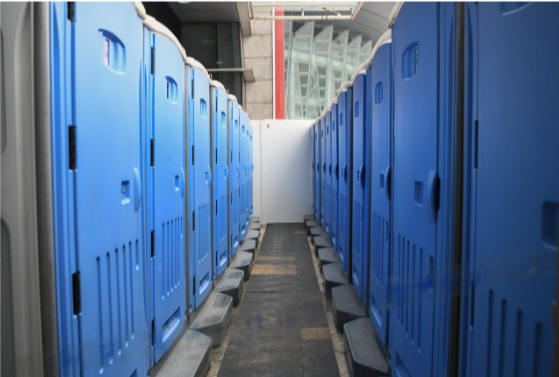

Getting portable toilet placement right makes all the difference between a smoothly running event and a logistical nightmare. Smart placement keeps users happy, maintains hygiene standards, and saves you headaches down the road.
Let’s walk through five practical steps that will help you position your portable facilities like a pro.
Choose the Right Portable Toilets
Your placement strategy starts with selecting the appropriate unit for your specific needs. Different events call for different toilet types. Construction sites need sturdy, basic units that can handle heavy usage. Wedding venues benefit from upscale models with hand sanitizers and better ventilation.
Family gatherings might need units with baby changing stations. Think about your expected user count and duration of use. A weekend festival requires more robust units than a single-day outdoor meeting. The portable toilets you choose directly impacts where you can place it and how accessible it will be for your users.
Evaluate Site Accessibility
Walk your site with accessibility in mind. Look for level ground that won’t turn into a mud pit when it rains. Avoid slopes steeper than 5% whenever possible, as they create safety hazards and make the units unstable.
Check the distance from main activity areas. Users should be able to reach facilities within a reasonable walk, typically 200-300 feet maximum. Consider pathways and obstacles that might block easy access. That perfect spot behind the building loses its appeal if users have to navigate around construction equipment to reach it.
Consider User Traffic Patterns
Watch how people naturally move through your space. Place toilets along these natural flow paths rather than forcing users to detour significantly. People follow predictable patterns, and working with these patterns rather than against them improves user experience dramatically.
Peak usage times require special attention. Lunch breaks, intermissions, and shift changes create toilet rushes. Position multiple units to handle these surges without creating long lines or crowded areas. Spread units across your site rather than clustering them all in one location.
Follow Local Regulations and Permits
Every location has rules about portable toilet placement. Some areas restrict how close units can be to water sources, food service areas, or property lines. Others have specific requirements for disability access or waste disposal procedures.
Contact your local health department early in your planning process. They can provide specific guidelines for your area and event type. Many locations require permits for temporary sanitation facilities, and getting these approvals takes time.
Plan for Servicing Access
Service vehicles need clear, direct access to each unit. These trucks are large and require wide turning spaces. A spot that looks perfect for users might be impossible for service crews to reach efficiently.
Consider these service requirements:
- Clear path at least 12 feet wide for service vehicles
- Firm, stable surface that won’t trap heavy trucks
- Overhead clearance free from power lines or tree branches
- Easy maneuverability without backing up long distances
Schedule regular servicing based on usage levels. Heavy-use sites need more frequent attention than light-use locations. Build this timing into your initial placement decisions to ensure service crews can maintain their schedules without disruption.