
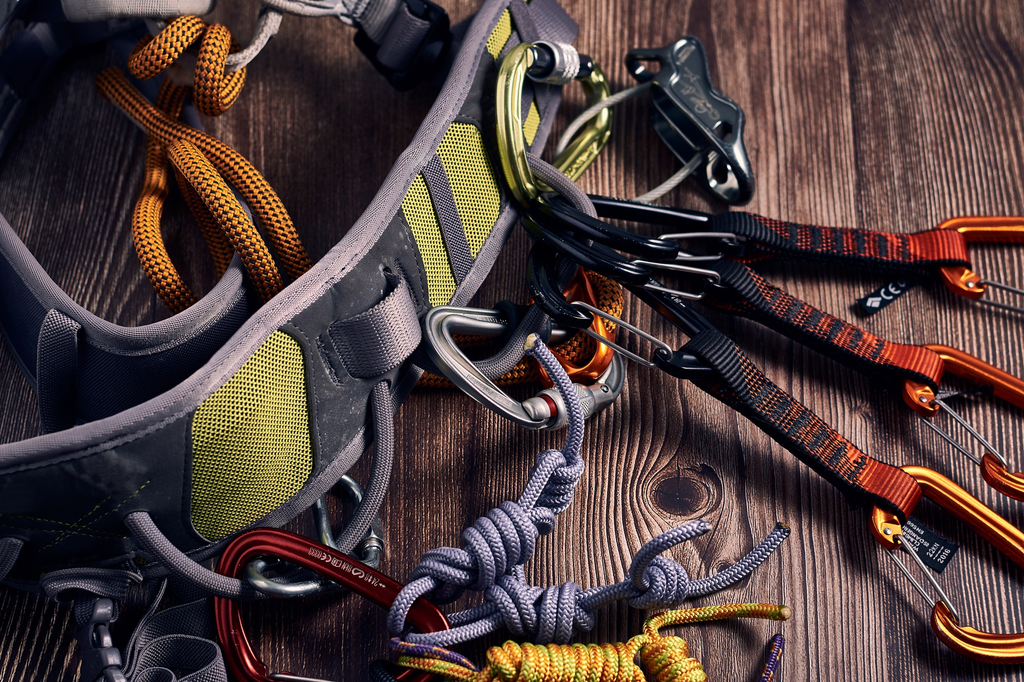
A ropes course harness is an important safety piece. It connects a participant to an overhead zip line, safety line, or belay system.
Unlike simple rock-climbing harnesses, ropes courses use full-body harnesses to distribute fall forces evenly. They also prevent inversion, no matter the type of body you have.
In today’s article, we’ll talk about different aspects of this important piece. Let’s get started.
Design Features
A ropes course harness has unique design features that make it perfect for a range of scenarios and elevations.
First, the high attachment points are positioned near the chest. They allow easy clipping into auto belays. They can also be easily connected with continuous lifeline systems.
Then, we have heavy-duty straps that fit a wide range of participant sizes. They’re crucial for high-turnover rental and adventure operations. The steel or aluminum nucleus resists slipping. They also make the fit more secure.
Lastly, the bright contrasting threads inside the webbing loops. They are helpful for detecting fraying or damage during routine safety checks.
Key Types
They come in various types, depending on your needs and body type. A full-body harness is standard for commercial ropes courses and children. It places attachment points higher on the chest or back to stop a user from flipping upside down.
We then have a sit harness that consists of a waist belt and two leg loops. It is widely used in advanced courses by experienced climbers seeking greater freedom of movement.
A combo or seat harness is paired with an add-on chest harness. It provides full-body security while also allowing you to move freely whenever you want.
Inspection and Maintenance
Like any other item, these harnesses need regular maintenance to keep working efficiently.
Before any expedition or activity, the staff and users must check all buckles, stitching, and tie-in points. Nothing should be left to chance, as the safety of a climber is the most important thing.
Similarly, damaged, heavily worn, or chemically exposed gear must be thrown away immediately. Experts recommend retiring the normal harness after roughly 10 years. Using old pieces will compromise the wellbeing of every participant.
And when you’re buying a harness, always look for recognized safety marks like CE or UIAA. This will make it clear how much load they can bear.
How to Choose the Most Suitable Harness
You should first decide between a full-body harness (best for kids and high zip lines) and a sit harness (best for general climbing towers). The harness should also fit properly above the hip bones. You must get adjustable, padded comfort even during movement.
You should also be able to slide only two fingers snugly under the waistbelt. The leg loops should be snug for support but loose enough to let your legs move freely without restricting blood flow.
Final Thoughts
Never compromise your safety whenever you’re planning to work at height. A rope course harness will ensure that you stay safe and confident throughout your work.