When dealing with unstable, damaged, or dangerous trees, Expert Tree Removal becomes an essential service for protecting both property and personal safety. Unstable trees can pose risks during storms, high winds, or even normal weather conditions, especially when branches are weakened or roots are compromised. Working with a trusted provider such as Taproot Tree Care can help ensure that hazardous trees are handled with precision and care.
This topic matters to any property owner who values safety, structural protection, and long-term landscape health. Tree issues often develop slowly, making it easy to overlook warning signs until they become urgent. Understanding how professional tree removal works helps in making informed decisions before damage occurs.
Signs a Tree May Pose a Risk
Trees rarely become dangerous overnight. Instead, there are often visible indicators that suggest instability or decline. Recognizing these signs early can help prevent property damage or injury.
Common warning signs include large dead branches, hollow trunk sections, leaning growth patterns, and visible root damage. Fungal growth near the base of a tree can also indicate internal decay. Cracks in major limbs or peeling bark may signal structural weakness.
Storm exposure can further increase risk, especially when trees are already weakened. Heavy rain can saturate soil and reduce root stability, making even healthy-looking trees unpredictable under pressure.
Why Professional Assessment Matters
Evaluating tree stability requires more than a visual check. Certified tree professionals use structured assessment methods to determine whether removal is necessary or if corrective care is possible. A proper inspection considers internal wood condition, root anchoring, canopy balance, and surrounding environmental factors.
Trees located near homes, power lines, or driveways require additional care due to the potential impact of failure. Professional assessment helps prevent unnecessary removal while ensuring that truly hazardous trees are addressed before they become a threat. This careful approach protects both safety and landscape value.
Safe and Controlled Removal Process
Tree removal requires careful planning from start to finish. Each step is designed to reduce risk while maintaining control over how the tree is taken down. The process typically begins with a site evaluation, followed by planning the safest direction for removal. In tight or restricted areas, sections of the tree are removed gradually instead of cutting the entire structure at once. This controlled method helps prevent damage to nearby structures or landscaping.
Specialized cutting techniques are used depending on tree size, location, and condition. Ropes, rigging systems, and mechanical support tools allow precise handling of large limbs. This level of control is especially important in residential or urban environments. After removal, debris is carefully cleared to restore the area safely. Stump management may also be recommended depending on future land use plans.
Technical Equipment Used in Tree Removal
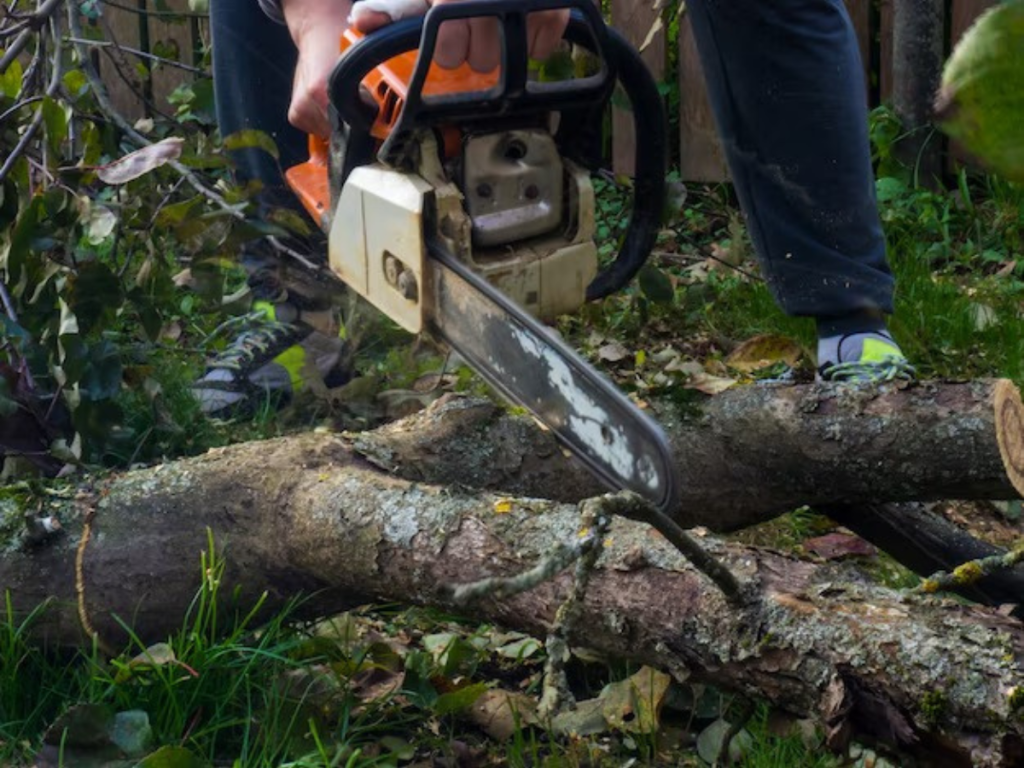
Modern tree removal relies on advanced tools designed for safety and accuracy. These tools allow professionals to manage complex removals even in difficult environments. Climbing gear and aerial lifts provide access to high branches, while rigging systems control how sections of a tree are lowered. Chainsaws with specialized cutting capabilities ensure clean and efficient sectioning of wood.
Wood chippers, stump grinders, and hauling equipment help manage debris efficiently after removal. Each tool plays a role in maintaining control throughout the process. The use of proper equipment significantly reduces risk compared to attempting tree removal without trained support. It also ensures that surrounding structures remain protected during the entire operation.
Protecting Surrounding Property
One of the most important aspects of tree removal is preventing damage to nearby structures, landscaping, and utility lines. Trees often grow close to homes, fences, and driveways, making careful planning essential. Before removal begins, surrounding areas are assessed to identify potential hazards. Protective measures may include controlled drop zones, rope systems, or sectional dismantling techniques.
Even small mistakes during removal can lead to costly damage. That is why careful coordination and precise execution are central to safe tree management. Maintaining control over each cut and movement ensures that surrounding property remains unaffected.
Emergency Response After Storm Damage
Severe weather can cause trees to fall unexpectedly or become partially uprooted. In these situations, rapid response is often necessary to reduce safety risks. Storm-damaged trees may block driveways, damage roofs, or interfere with power lines. Even partially fallen trees can remain unstable and unpredictable. Immediate attention helps prevent further collapse or secondary damage.
Emergency removal focuses on stabilizing the situation first, followed by safe dismantling of hazardous sections. This process often requires additional caution due to unpredictable structural failure caused by wind or moisture exposure.
Long-Term Safety and Tree Health Considerations
While removal is sometimes necessary, maintaining overall landscape safety involves regular monitoring of tree health. Periodic inspections can identify early signs of decay or instability. Healthy trees contribute to shade, aesthetics, and environmental balance. However, when risk factors become significant, removal may be the most responsible choice to protect surrounding areas.
Understanding when intervention is needed helps prevent emergencies and supports safer outdoor environments. Taking action early often reduces the likelihood of property damage or injury.
Choosing the Right Tree Care Support
Selecting a qualified tree care provider is an important decision. Experience, safety practices, and proper equipment all play a role in ensuring reliable service. A dependable team follows structured procedures, prioritizes safety, and communicates clearly throughout the process. Attention to detail helps ensure that even complex removals are handled with care and accuracy.
Professional support is especially valuable when dealing with large trees, limited access areas, or storm-related damage. Proper handling ensures that risks are managed effectively from start to finish.
Conclusion
Hazardous trees require careful attention and skilled handling to protect both property and safety. When conditions become unsafe or unpredictable, Expert Tree Removal provides a structured solution for addressing these risks responsibly. Addressing damaged or unstable trees early can help reduce the chances of falling limbs, structural damage, and safety concerns around homes and outdoor spaces. Professional removal methods also support cleaner job sites and careful handling in challenging locations.
For dependable service and specialized care, Taproot Tree Care offers professional assistance backed by experience and precision-focused methods.
Taproot Tree Care
Email: [email protected]
Phone: 206-707-8673
URL: www.taproottreecare.com
8825 34th ave ne Ste 325 Marysville wa 98271