
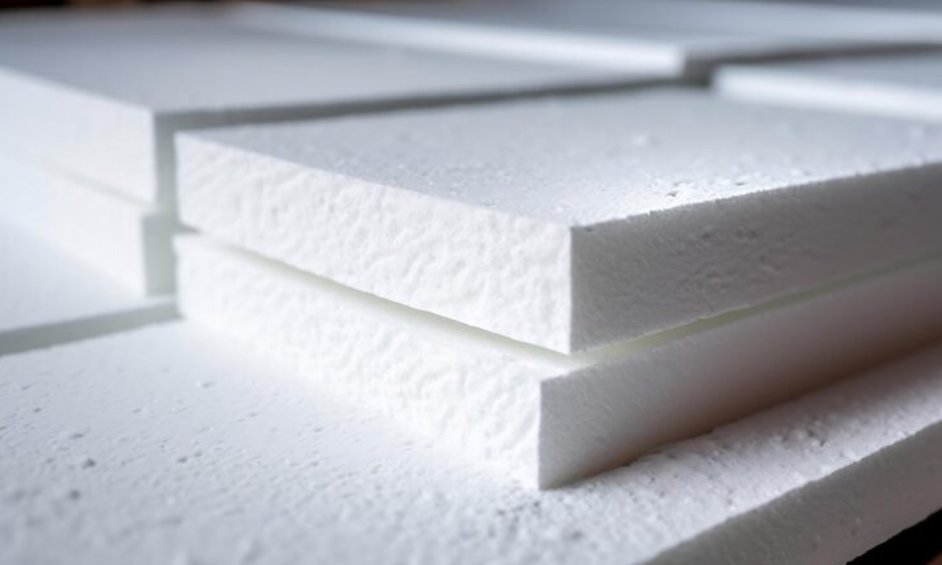
Choosing the right material is an important part of planning a successful construction project. Geofoam is a lightweight material that can be used in applications such as road construction, landscaping, insulation, and structural fills. However, different projects have different requirements. Understanding the properties of ASTM D6817 geofoam can help you select a suitable option for your specific needs and ensure reliable performance.
Understand Your Project Requirements
The first step is to understand what the geofoam needs to do. Consider where the material will be installed, how much weight it will support, and what environmental conditions it may experience. A road project may have different requirements from a landscaping or foundation application.
The expected loads, available space, installation conditions, and long-term performance should all be considered before selecting ASTM D6817 geofoam. Having a clear understanding of these factors makes it easier to identify the appropriate material properties.
Consider Geofoam Density
Density is one of the important factors when selecting geofoam. Different densities can provide different levels of strength and performance. A project with higher expected loads may require a higher-density product, while applications focused mainly on lightweight fill may have different requirements.
When choosing ASTM D6817 geofoam, it is important to compare the material’s density with the expected conditions of the project. A professional supplier or engineer can help determine which density range is appropriate for the intended application.
Check Compressive Strength
Compressive strength is another key consideration. Geofoam may be placed beneath roads, slabs, pavements, or other structures, so it needs to handle the expected loads without excessive deformation.
The right ASTM D6817 geofoam should have suitable compressive properties for the planned application. Engineers can review the expected dead loads, live loads, and other forces to determine the appropriate strength requirements. Selecting a product based on actual project loads can help support long-term stability.
Evaluate Environmental Conditions
The surrounding environment can also affect material selection. Consider whether the geofoam will be exposed to moisture, temperature changes, chemicals, or other site conditions. Although geofoam is lightweight and versatile, proper planning is still necessary to ensure it performs as expected.
When selecting ASTM D6817 geofoam, review the manufacturer’s technical information to understand how the material behaves under the environmental conditions expected at the site. Proper protection and installation can also contribute to dependable performance.
Match the Material to the Application
Geofoam can be used for several construction purposes, including lightweight embankments, void filling, insulation, landscaping features, and reducing loads on underlying soils. Each application may require different material characteristics.
For example, a project that needs to reduce pressure on weak soil may focus on lightweight properties, while a project supporting substantial surface loads may place greater importance on compressive strength. Choosing ASTM D6817 geofoam according to the specific application helps ensure that the material meets the project’s functional needs.
Work With a Reliable Supplier
Technical guidance can make the selection process easier. A reliable supplier can provide product specifications, test information, installation recommendations, and assistance with choosing a suitable grade.
Before purchasing ASTM D6817 geofoam, discuss your project’s requirements with an experienced professional. They can help you compare available options and make sure the selected material is suitable for the intended use.
Conclusion
Choosing the right ASTM D6817 geofoam involves more than simply selecting a lightweight material. Density, compressive strength, environmental conditions, project loads, and the intended application should all be considered. By reviewing these factors carefully and working with knowledgeable professionals, you can select geofoam that supports the performance, efficiency, and long-term goals of your construction project.