
Dentistry has undergone significant transformations over the centuries, evolving from rudimentary practices to sophisticated procedures that ensure better patient outcomes and comfort. This article delves into the progression of dental treatments, highlighting the advancements that have revolutionized oral health care. We will explore the development of traditional methods, the introduction of braces, and the rise of sedation dentistry.
Early Dental Practices: A Historical Overview
Historically, dental care was a rudimentary and often painful experience. Ancient civilizations, such as the Egyptians and the Greeks, practiced early forms of dentistry, using tools made from bronze and stone. These early dentists performed extractions and treated dental abscesses with basic instruments, relying on their limited understanding of oral anatomy.
The Renaissance period marked a turning point in dental science with the publication of “The Surgeon Dentist” by Pierre Fauchard in 1728. Often referred to as the father of modern dentistry, Fauchard introduced several techniques and tools that laid the groundwork for contemporary dental practices. Despite these advancements, dental care remained largely focused on tooth extraction and basic restorative work well into the 19th century.
Braces: From Metal Bands to Invisible Aligners
Orthodontics has seen remarkable advancements since its inception. The early 20th century witnessed the introduction of metal braces, which were effective yet cumbersome. These early braces involved the use of metal bands wrapped around each tooth, connected by a wire to exert pressure and gradually move the teeth into alignment. While effective, these metal bands were uncomfortable, highly visible, and often required frequent adjustments.
The 1970s brought about a significant innovation with the development of adhesive bonding agents, allowing brackets to be directly affixed to the teeth. This advancement significantly reduced the bulkiness of braces and improved their aesthetic appeal. The 1990s saw another leap forward with the introduction of ceramic braces, which were less visible than their metal counterparts.
The turn of the 21st century marked the advent of clear aligner technology. Companies like Invisalign pioneered this technique, offering a nearly invisible and removable alternative to traditional braces. Clear aligners have transformed orthodontic treatment, providing patients with a more comfortable and discreet option for achieving a straighter smile. These aligners are custom-made for each patient using advanced 3D imaging technology, ensuring precise and efficient treatment outcomes.
The Rise of Sedation Dentistry
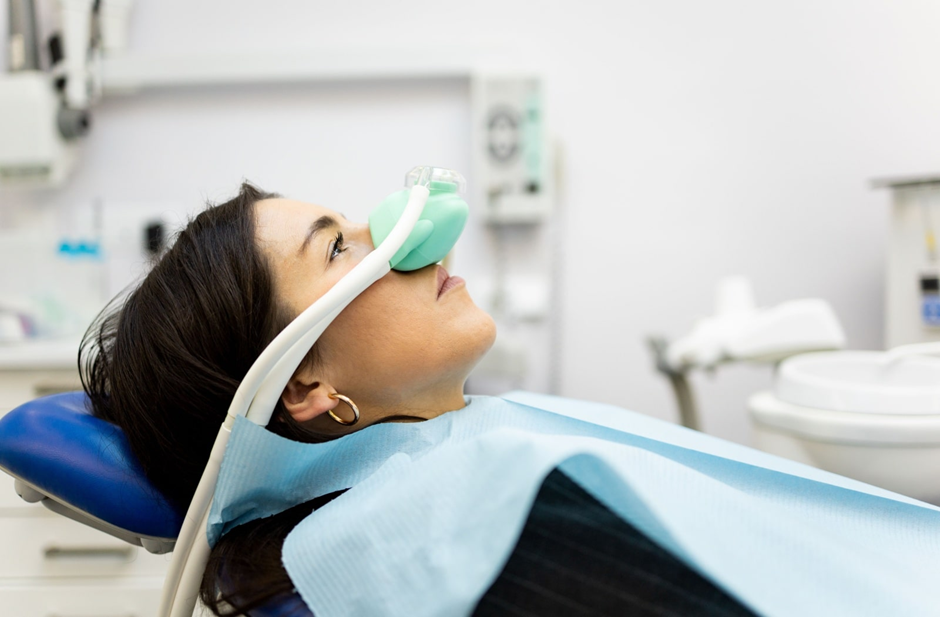
One of the most significant advancements in modern dentistry is the incorporation of sedation techniques to alleviate patient anxiety and discomfort. Sedation dentistry has become a cornerstone of patient-centered care, enabling individuals with dental phobias or those requiring extensive procedures to receive treatment in a relaxed state.
In the past, dental anxiety often led patients to avoid necessary treatments, resulting in deteriorated oral health. Traditional methods of managing pain and anxiety were limited to local anesthesia and, in some cases, general anesthesia for more complex surgeries.
Sedation dentistry encompasses various levels of sedation, from minimal sedation (anxiolysis) to deep sedation and general anesthesia. Minimal sedation typically involves the use of nitrous oxide (laughing gas), which helps patients relax while remaining conscious. Moderate sedation, often achieved through oral sedatives or intravenous (IV) sedation, allows patients to stay awake but with little memory of the procedure. Deep sedation and general anesthesia render the patient unconscious, ensuring they feel no pain or discomfort during the treatment.
The introduction of sedation dentistry has been particularly beneficial for patients with special needs, severe dental phobia, or complex medical conditions. It has also facilitated the performance of lengthy procedures, such as multiple extractions or full-mouth rehabilitation, in a single appointment, thereby reducing the overall treatment time and improving patient compliance.
Technological Innovations in Modern Dentistry
Beyond braces and sedation dentistry, several other technological advancements have revolutionized dental treatments. Digital imaging, for instance, has replaced traditional X-rays, offering higher precision and reduced radiation exposure. Intraoral cameras provide dentists with detailed images of the oral cavity, enhancing diagnostic accuracy and patient education.
Laser dentistry has emerged as a minimally invasive option for various procedures, including cavity preparation, gum surgery, and teeth whitening. Lasers reduce bleeding, minimize discomfort, and promote faster healing compared to traditional methods.
Computer-Aided Design and Computer-Aided Manufacturing (CAD/CAM) technology has streamlined the fabrication of dental restorations. Crowns, bridges, and veneers can now be designed and milled chairside, allowing for same-day restorations and eliminating the need for temporary solutions.
Conclusion
The evolution of dental treatments from traditional methods to advanced techniques has significantly enhanced the quality of care and patient experience. Innovations in orthodontics, such as clear aligners, and the adoption of sedation dentistry have addressed common barriers to treatment, making dental care more accessible and comfortable. As technology continues to advance, the future of dentistry promises even more exciting developments, ensuring that patients receive the best possible care for their oral health needs.

